Every winter, as the temperatures drop and the storms pick up, our phones start ringing with the same worried questions: Is it safe to remove a tree right now? Will my lawn get torn up? Can you even work in snow? Should I just wait until spring?
It’s understandable that winter feels like a weird time to be thinking about tree work. But the truth is, winter is one of the most practical seasons for removals and pruning, especially for trees that are showing signs of decline. And because homeowners rarely see what we see on winter job sites, the season tends to come with a lot of confusion and concern.
So let’s break it all down the way we explain it to our clients:
Winter Tree Removal Is Often Ideal
Many people are surprised to hear that winter is actually one of the easiest seasons for tree removal. Once a tree goes dormant, the lack of leaves allows us to see its structure clearly. We can identify issues and safe cut points much more accurately than we can in the middle of dense summer foliage. The crisp winter air and firm ground often make the work faster and safer than most people expect.
Your Lawn Is Better Protected in Winter
One of the biggest fears homeowners have is that heavy equipment will destroy their yard. What they don’t realize is that the frozen or semi-frozen ground of winter actually protects the lawn from rutting and compression. Snow creates a natural cushion, and when we add our ground protection mats, the yard typically sees far less disruption in winter than it does in spring or fall, when the soil is soft and easily damaged.
Pricing Doesn’t Increase in Winter, But Emergencies Do
Another common assumption is that winter tree removal must be more expensive. In reality, the pricing rarely changes. The only time costs rise is when homeowners wait too long and storms force an emergency tree removal, which is always more complicated, more dangerous, and more urgent. Taking down a compromised tree before a storm hits is far more affordable than dealing with it after it’s fallen on a fence or roof.
Safety Dictates the Schedule
A blanket of snow doesn’t shut down tree work. Light accumulation is completely manageable, and our crews are used to working in winter conditions. What matters is visibility and safety. As long as the tree structure is clear and footing is stable, we can work. If ice or heavy snow makes the site unsafe, we simply reschedule — never at the expense of your property or our crew.
Waiting Until Spring Isn’t Always the Smart Move
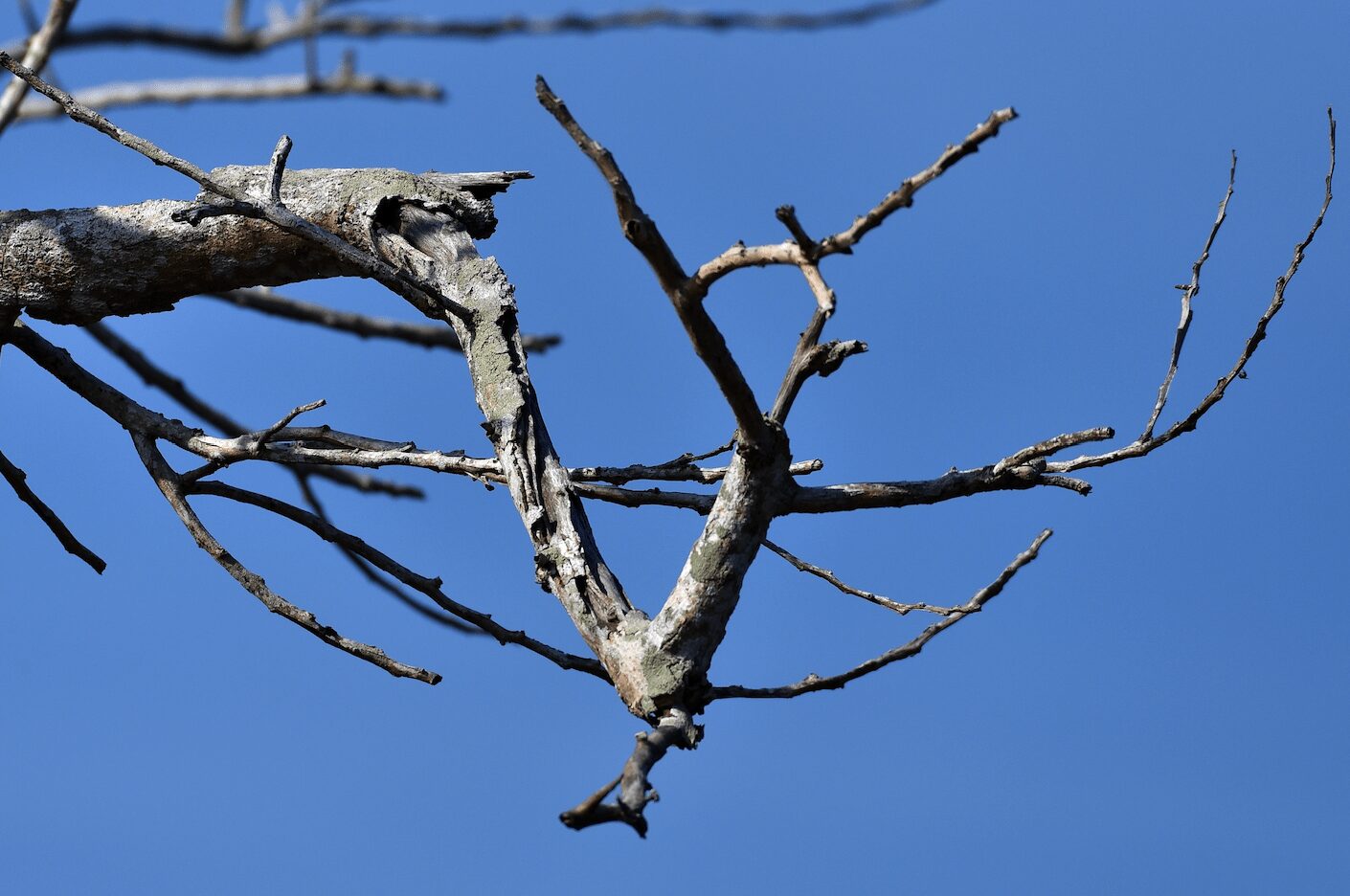
Homeowners often say that they will wait until the weather gets nicer, but winter storms and thaw cycles put enormous stress on weakened trees. A tree that’s showing signs of decline in December may not make it to March, and when it fails, it usually fails hard. If a tree is cracked, leaning, hollow, or shedding limbs, winter isn’t a delay; it’s an opportunity to remove it before nature makes the decision for you.
Winter Tree Work Is Something to Use to Your Advantage
The idea that tree work only happens in warm months is outdated. Winter offers clearer visibility, safer footing, stronger ground, and faster timelines, all while helping homeowners avoid emergency tree removal calls during the season when storms are at their worst.
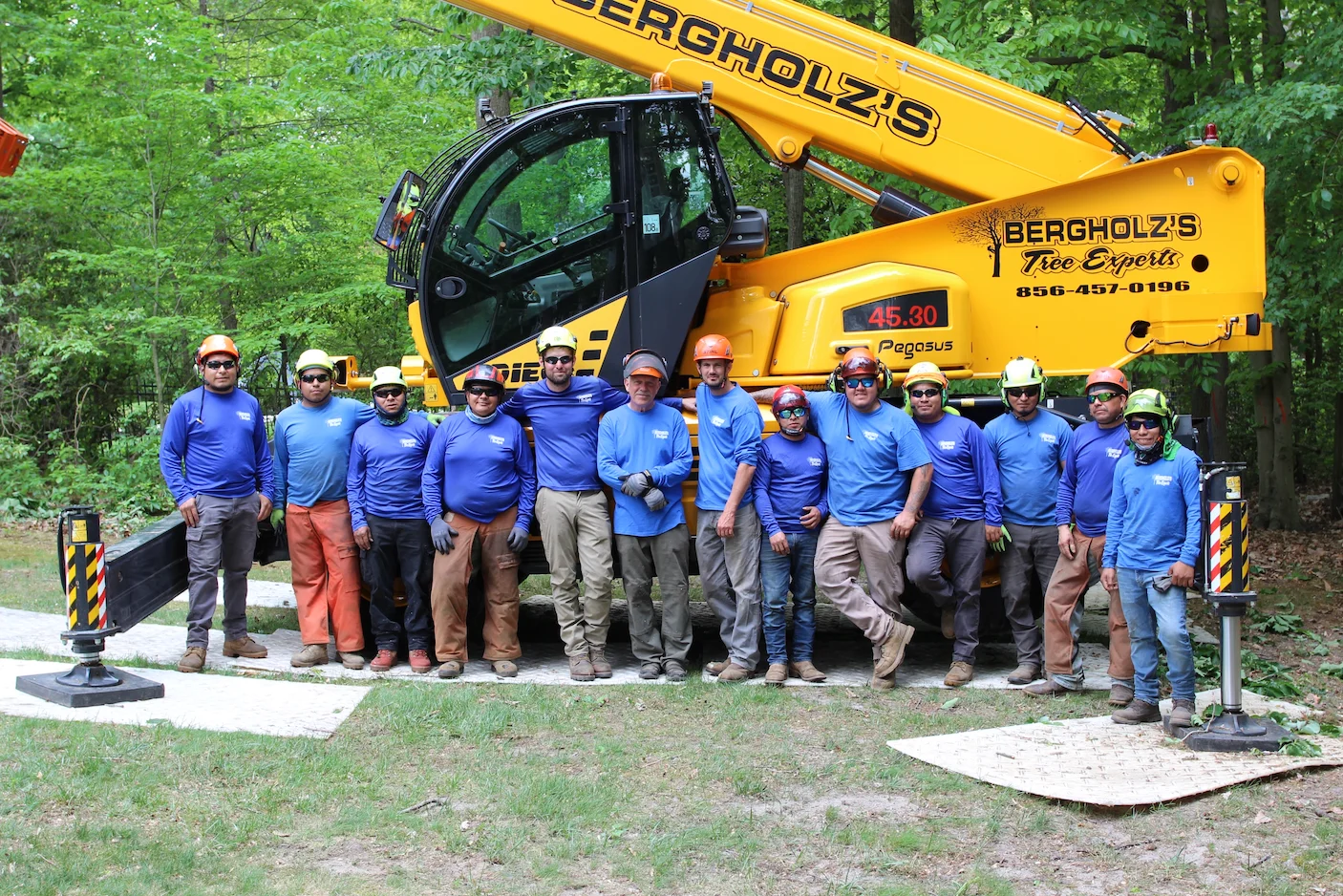
The Bergholz’s Tree Experts team works through the winter for one reason: it’s one of the smartest times of year to remove dangerous trees and keep your property safe before storms make the choice for you.