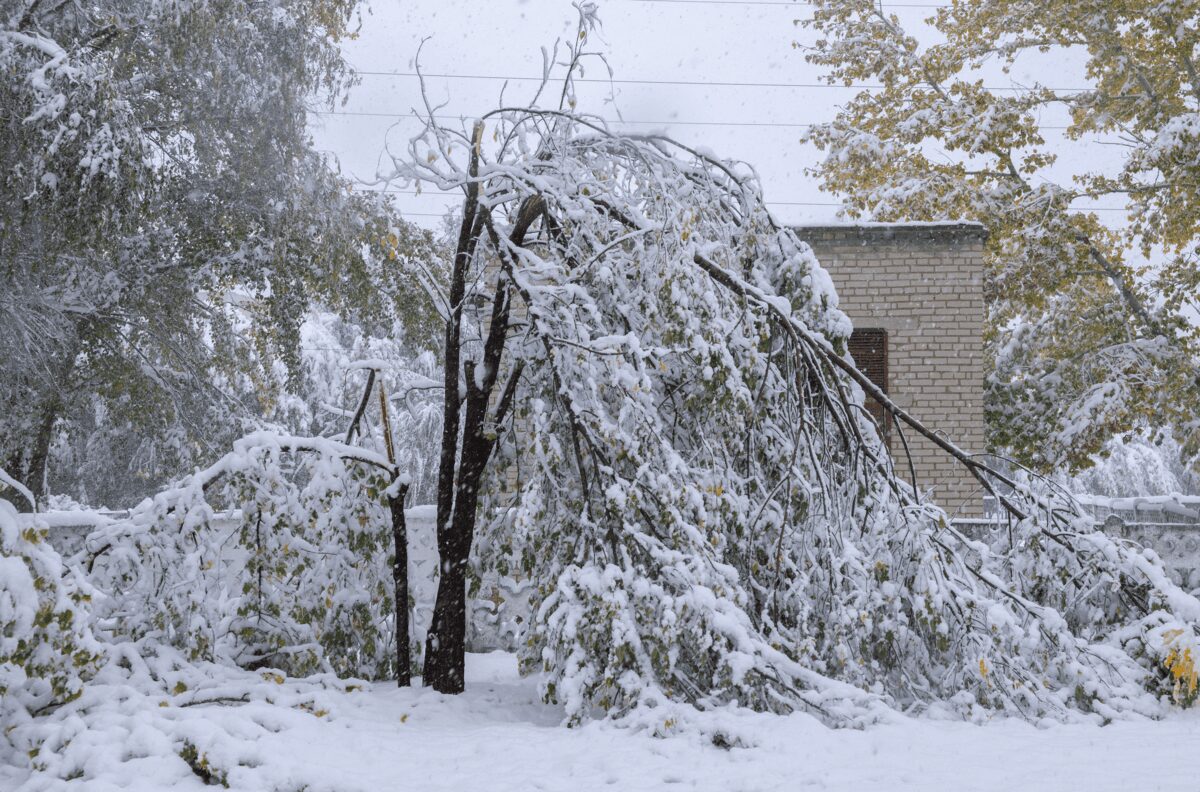
After a major snow storm, trees often get overlooked until something breaks, falls, or becomes a problem days later, as most homeowners focus on shoveling driveways and clearing walkways. Heavy snow and ice can put an incredible amount of stress on trees, especially ones that were already weakened before the storm rolled through.
The good news is you don’t need special tools or a professional background to spot early warning signs. A quick five-minute walk around your property can help you identify potential issues before they turn into safety problems. Here’s what to look for once the snow settles.
Start by Checking for New Leaning
One of the easiest things to notice after a snow storm is whether a tree looks different than it did before. A tree that suddenly appears to be leaning, even slightly, deserves attention. Snow load can shift a tree’s center of gravity or disturb the root system, particularly if the ground wasn’t fully frozen beforehand.
Pay close attention to trees leaning toward your home, driveway, sidewalk, or neighboring properties. Also look at the base of the tree. If the soil appears lifted, cracked, or uneven, that can be a sign the roots have moved. While not every lean means a stressed or dead tree, a new or worsening lean is never something to ignore.
Look Closely at the Trunk
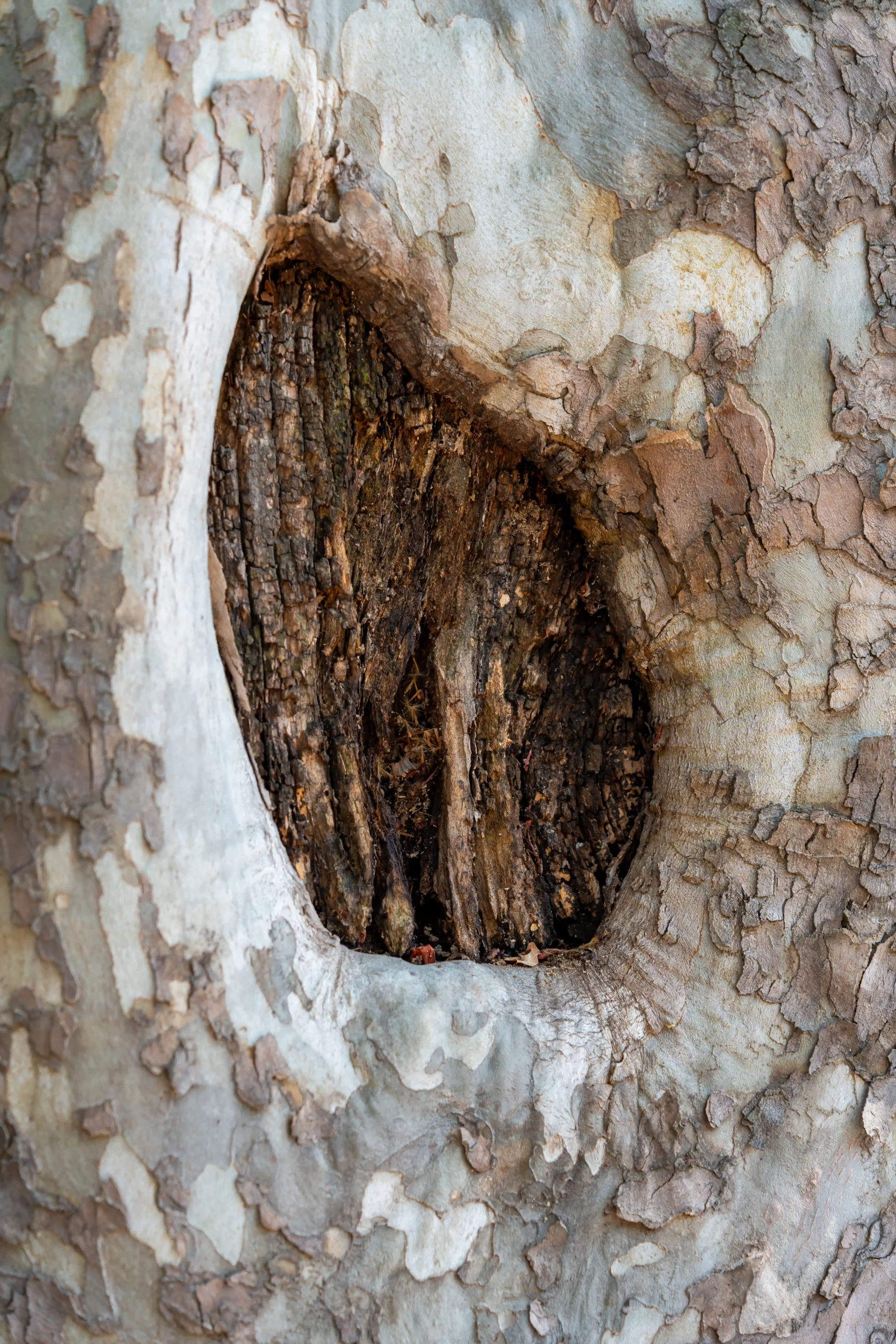
Snow and ice can cause the trunk itself can take on a lot of stress, especially in trees with multiple stems or previous damage. Walk around the tree and look for fresh cracks or splits running vertically along the trunk.
New damage often appears lighter in color and may be accompanied by peeling bark or visible separation in the wood. These cracks weaken the tree’s structure and can make it more likely to fail during future storms or high winds.
Scan for Hanging or Partially Broken Limbs
Hanging limbs are one of the most dangerous issues after a snow storm. These branches may be cracked or broken but still caught in the canopy. They can fall without warning days or even weeks after the storm has passed.
Look up carefully for branches that appear bent, suspended, or partially detached. If something looks off overhead, resist the urge to handle it yourself. Hanging limbs are unpredictable and often require professional equipment to remove safely.
Check Where Large Branches Meet the Trunk
Branch unions, or where large limbs connect to the trunk, are common failure points during heavy snow. As weight builds up, these joints can split or pull apart.
Signs of damage include visible gaps, bark separating at the joint, or one branch sagging lower than the others. Even if the branch hasn’t fallen yet, these splits can worsen over time, especially during wind or the next storm system.
Don’t Ignore What’s on the Ground
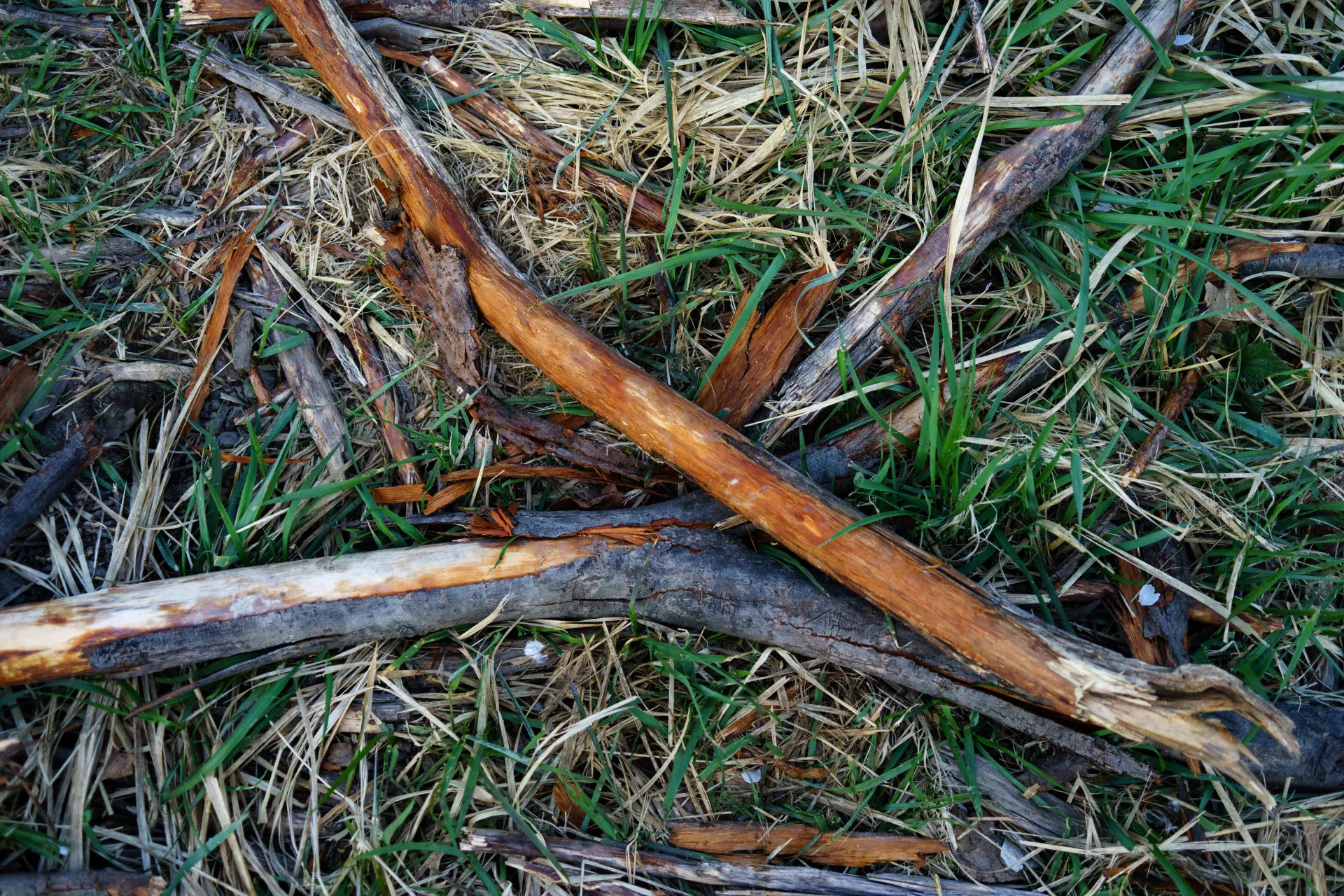
If you see broken limbs scattered around your yard, take that as a sign to look up. Fallen branches often indicate additional stress higher in the tree that isn’t immediately visible.
When It’s Time to Call a Professional
If you notice new leaning, cracks in the trunk, hanging limbs, or split branches, it’s best to bring in a professional like Bergholz’s Tree Experts for an assessment. Addressing these issues early can prevent further damage and reduce the risk of sudden failures. If this recent snow storm left you questioning the condition of your trees, reaching out sooner rather than later can help protect your property before the next round of winter weather arrives.