Planting a tree is usually done with the best intentions. Homeowners want shade, or privacy. Spring flowers and fast growth. Perhaps even a little curb appeal. The problem is that many of the trees that look great at the nursery don’t always look so great ten, twenty, or thirty years later.
At Bergholz’s Tree Experts, we’ve seen plenty of homeowners who inherited problem trees or planted a species without realizing what they were signing up for. They drop endless debris, invade sewer lines, crack sidewalks, or require constant maintenance.
That doesn’t necessarily make them “bad” trees. It just means they’re often planted in the wrong place for the wrong reasons.
Here are some of the tree species homeowners most often regret planting and why.
Bradford Pear
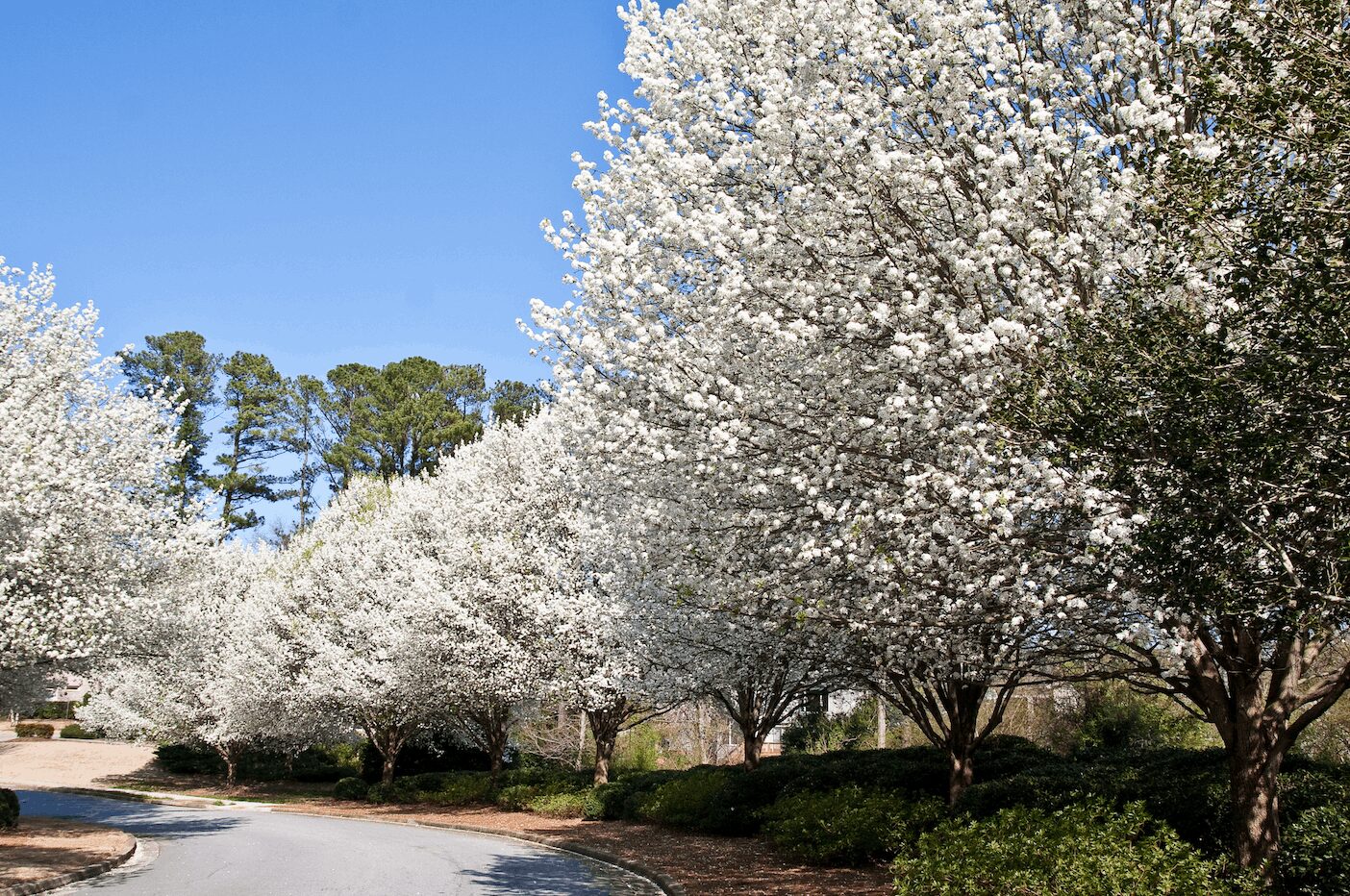
If there were a Hall of Fame for regrettable trees, the Bradford Pear would probably have its own wing.
For years, homeowners loved them because they grew quickly and produced beautiful white flowers every spring.
However, Bradford Pears develop weak branch unions that make them highly susceptible to splitting apart during storms. Many begin failing long before they reach maturity. They also produce dense growth that requires regular pruning to maintain structural integrity.
The result? A tree that often creates more maintenance headaches than benefits.
Silver Maple
Silver Maples grow fast, which is exactly why many people plant them. Unfortunately, rapid growth usually comes at a price.
Their wood tends to be weaker than many other native species, making large limbs more likely to break during heavy winds, snowstorms, and ice events. Their aggressive root systems can also interfere with sidewalks, driveways, and underground utilities.
They’re beautiful shade trees when properly maintained, but many homeowners underestimate the amount of care they require.
Willow Trees
Willows have a classic appearance and can create stunning landscapes near ponds and waterways. The problem is that they rarely stay confined to where homeowners want them.
Willows are notorious for aggressive root systems that seek out moisture. Sewer lines, septic systems, drainage pipes, and water lines can all become targets. Their branches are also relatively brittle and prone to breaking during severe weather. Many homeowners love the look of a willow but regret the maintenance that comes with it.
Tree of Heaven
Despite its name, Tree of Heaven can quickly become a homeowner’s nightmare.
This invasive species grows aggressively and spreads rapidly through root suckers, allowing new trees to pop up throughout a property. It is also closely associated with the spotted lanternfly, which uses the tree as a preferred host.
Once established, Tree of Heaven can be extremely difficult to eliminate completely.
Poplar Trees
Poplars are another species often planted because they grow quickly. But as Poplars mature, they become increasingly susceptible to storm damage, decay, and structural issues. Their roots can also become problematic near foundations, sidewalks, and hardscapes.
Many homeowners enjoy the quick shade they provide but eventually find themselves dealing with expensive maintenance and removal costs.
Mimosa Trees
Mimosas are known for their unique pink flowers and tropical appearance.
While attractive, they can become frustrating for homeowners over time.
These trees frequently produce seedlings throughout the landscape, essentially planting themselves wherever they can. They are also prone to disease issues, particularly vascular wilt, which can significantly shorten their lifespan.
For many homeowners, the cleanup and maintenance eventually outweigh the aesthetic appeal.
The Right Tree in the Right Place Makes All the Difference
The truth is that every tree has strengths and weaknesses. A species that becomes a problem in one yard may be perfectly suited for another location.
The key is understanding how large a tree will become, how its roots behave, how much maintenance it requires, and how it handles the specific conditions on your property.
That’s why proper tree selection is so important.
A tree planted today may be part of your landscape for decades. Making the right choice now can help you avoid costly removals, property damage, and ongoing maintenance issues down the road.
If you’re considering planting new trees or have concerns about existing ones on your property, the ISA Certified Arborists at Bergholz’s Tree Experts can help evaluate your landscape and recommend species that are better suited for long-term success.
Sometimes the best tree decisions happen before the tree ever goes in the ground.