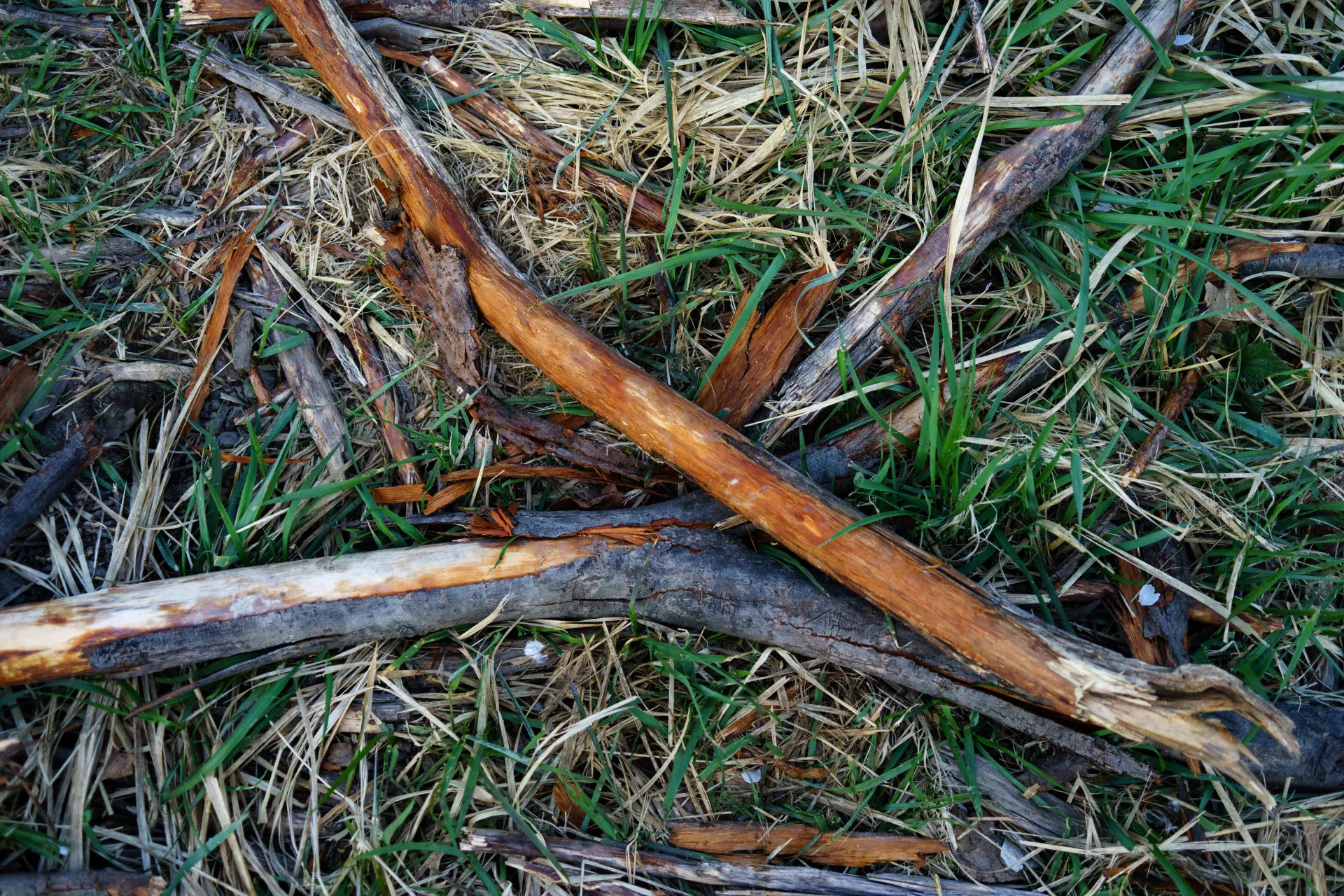
Your next glance at your yard, you might notice something strange, especially after a particularly windy afternoon. A branch that looked perfectly fine yesterday is suddenly lying across the lawn. Or, even tho a major storm hasn’t crashed through your neighborhood, maybe your yard has started collecting smaller branches. So, what’s going on?
Late summer and early fall can be a busy time for trees, and there are several reasons they may start dropping branches. While some are completely natural, others can be signs that your tree needs a closer look.
Here are some of the biggest reasons branches can start coming down.
Drought Stress Can Weaken Trees
Trees need water throughout the growing season, and extended periods of hot, dry summer weather can take a toll.
When a tree doesn’t get enough moisture, it has to decide where it uses its resources. Prolonged drought stress can weaken branches and make trees more vulnerable to damage.
But here’s the tricky part: you may not immediately notice that your tree is struggling.
A tree can look green and healthy while still experiencing stress below the surface.
Look for signs such as wilting or curling leaves, leaves turning brown or dropping earlier than expected, smaller-than-normal leaves, or dead or dying branches.
Trees growing in areas surrounded by pavement or other surfaces that prevent water from reaching their roots can be especially vulnerable during dry weather.
Dead Branches Don’t Always Fall Right Away
A dead branch can hang around for months before gravity finally wins. Deadwood becomes increasingly brittle and can break during wind, rain or even from its own weight. That’s one reason you may suddenly find branches on the ground even when there hasn’t been a major storm.
Dead branches are also one of the reasons regular tree inspections and maintenance matter.
If you can safely spot dead limbs from the ground, take note of them. Don’t climb the tree to investigate or attempt to remove large branches yourself.
Disease and Decay Can Make Branches More Likely to Break
Sometimes the problem isn’t obvious from the outside. Diseases, insects and internal decay can weaken wood over time. A branch may look relatively normal while its structural strength has been compromised.
Signs that could indicate a larger problem include cavities, cracks in branches or the trunk, areas of missing or damaged bark, mushrooms or fungal growth near the tree, dead branches throughout the canopy, or unusual discoloration.
If you’re noticing several of these signs, it’s worth having the tree checked out by a professional.
Summer Storms Can Do More Damage Than You Think
Strong thunderstorms, heavy rain and sudden wind gusts can put significant stress on branches, especially those that are already weakened by disease, decay or drought.
Sometimes the damage isn’t immediately obvious. A branch may become partially cracked or weakened during a storm and then fall days or weeks later. That’s why it’s a good idea to check your trees after significant weather, particularly if you notice new branches on the ground.
Trees Are Getting Ready for Fall
As trees transition toward fall, they’re naturally preparing for changes in temperature and daylight. Smaller twigs and branches may die back as part of the tree’s normal growth cycle. A few small fallen twigs are very different from large branches repeatedly coming down.
If you’re seeing substantial limbs on the ground, noticing new deadwood throughout the canopy or watching a tree lose branches regularly, don’t assume it’s simply part of the changing season.
When Should You Be Concerned?
One small branch on the ground doesn’t necessarily mean you have a tree emergency. However, it’s time to pay closer attention if you notice:
- Large branches falling: Bigger limbs can indicate structural problems and pose a serious safety risk.
- Repeated branch loss: If branches keep coming down, something may be weakening the tree.
- A noticeable lean: A tree that is leaning more than it previously did could have root or structural issues.
- Cracks in the trunk or major limbs: Large cracks can compromise the tree’s stability.
- Dead branches overhead: Deadwood above areas where people, vehicles or structures are regularly located can become a safety concern.
- Branches near power lines: Don’t attempt to remove them yourself. Contact the appropriate utility or qualified professional.
Don’t Wait for a Branch to Hit the Ground
Trees are pretty good at telling us when something isn’t right. The challenge is knowing what those signs mean.
If your tree has started dropping larger branches, showing signs of stress or looking different than it did earlier in the year, a professional evaluation from our team can help determine what’s really going on.
Our trained crews can evaluate trees and help homeowners determine what kind of care their trees may need.