Halloween – it’s the perfect time for creepy decorations and things that go bump in the night. But sometimes, the scariest thing in your yard isn’t a Halloween prop. It’s the big tree with a dead branch hanging over your driveway or a hollow-looking trunk that’s been standing there for years.
Trees can develop signs of decline as they age. They can be harmless parts of a tree’s natural life cycle, or they can point to structural problems that need attention.
So, before you write off that spooky-looking tree as part of your general Halloween vibe, here’s what you should know about possibly hazardous tree and what you should watch forl.
Dead Tree Limbs
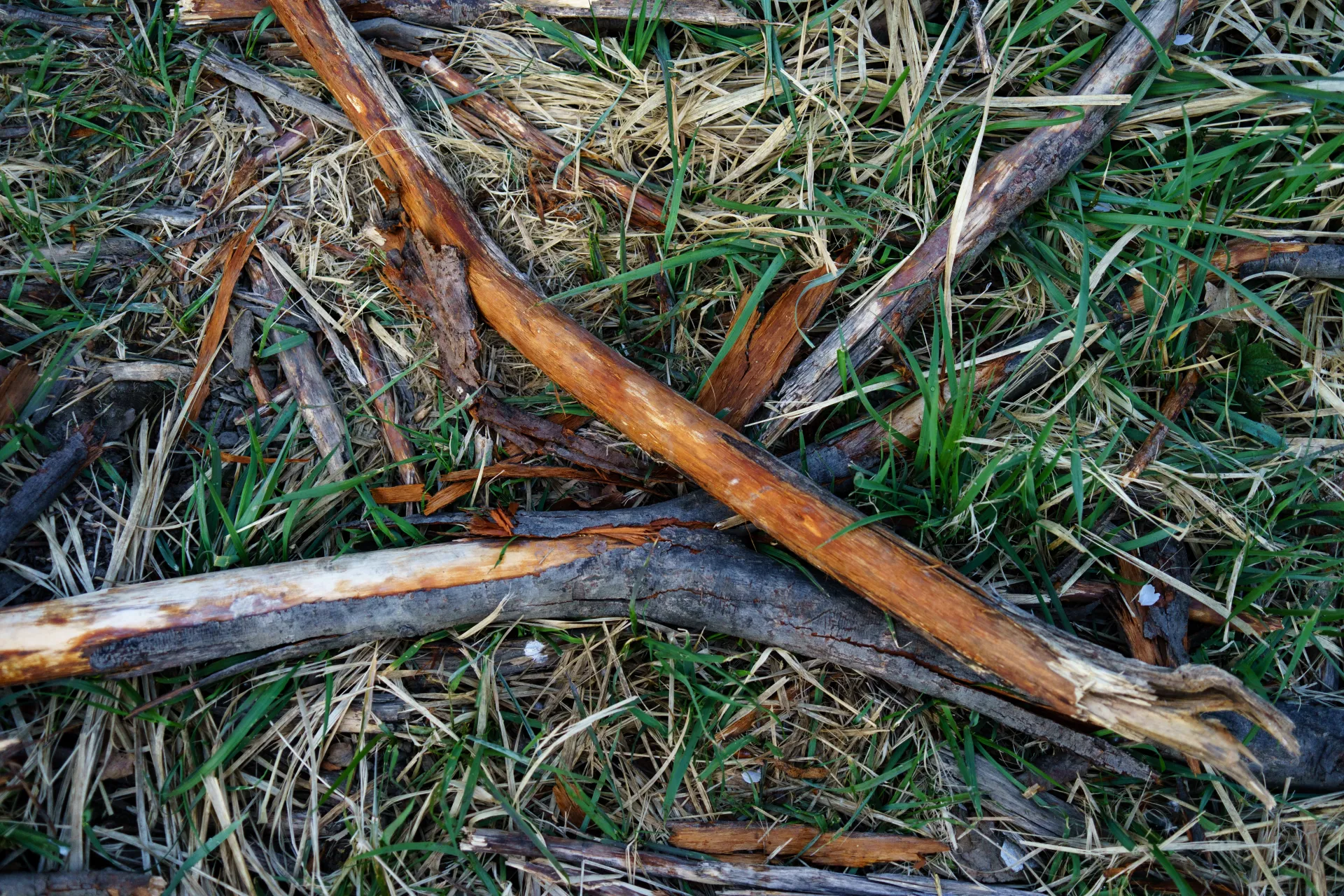
A few dead branches might not seem like a big deal, especially when the leaves have already started falling. However, dead limbs can become a concern when they’re big, brittle, or above areas where people and property can be found
Dead branches may break loose during high winds, heavy rain, snow, or ice. Even on a calm day, a weakened limb can fall without much warning.
Keep in mind that some trees naturally shed smaller branches, and deciduous trees lose their leaves every fall. The concern here lies in when a branch appears dead, damaged, or unstable, particularly if it’s large enough to cause injury or property damage.
What should you do?
Avoid standing or parking beneath suspicious limbs, of course, and don’t attempt to remove large branches yourself. A professional tree care crew, like Bergholz’s Tree Experts, can figure out the condition of the limb and let you know the safest way to address it.
Hollow Trunks
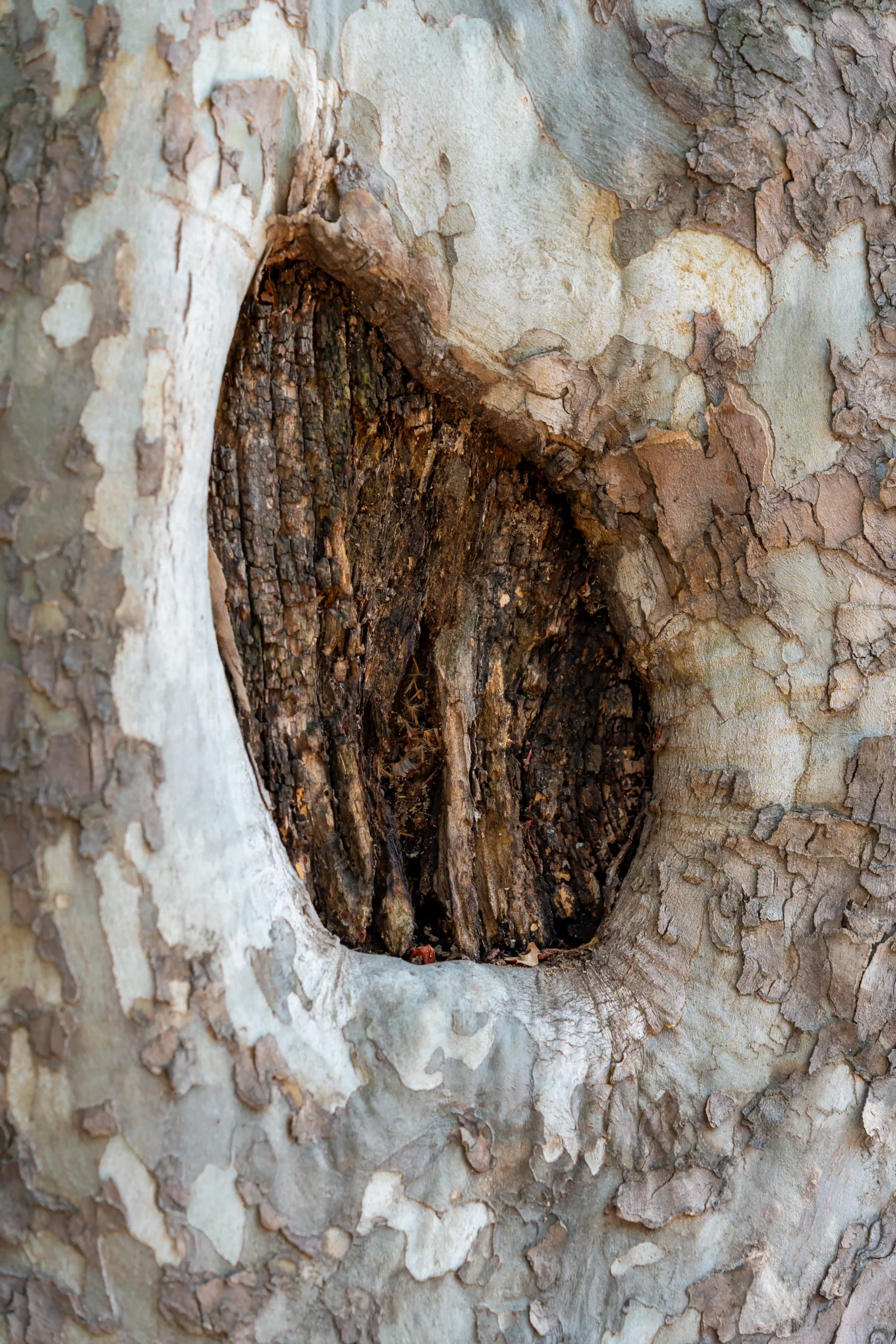
A hollow tree trunk might look like something straight out of a haunted forest, but the reality is a little more complicated.
Trees can develop cavities when the wood inside decays following an injury, broken branch, or other damage. In some cases, a tree can continue growing for years with a hollow section because the living tissue responsible for growth is located near the outside of the trunk.
That means a hollow trunk doesn’t automatically mean a tree is dangerous or needs to be removed.
The bigger question is how much sound wood remains, how the decay is distributed, and whether the tree can safely support its own weight and withstand wind.
Even then, appearances alone can’t tell you exactly how structurally sound a tree is. Our team can evaluate the cavity, the remaining wood, and the tree’s overall condition before recommending what to do next.
Mushrooms Growing on a Tree
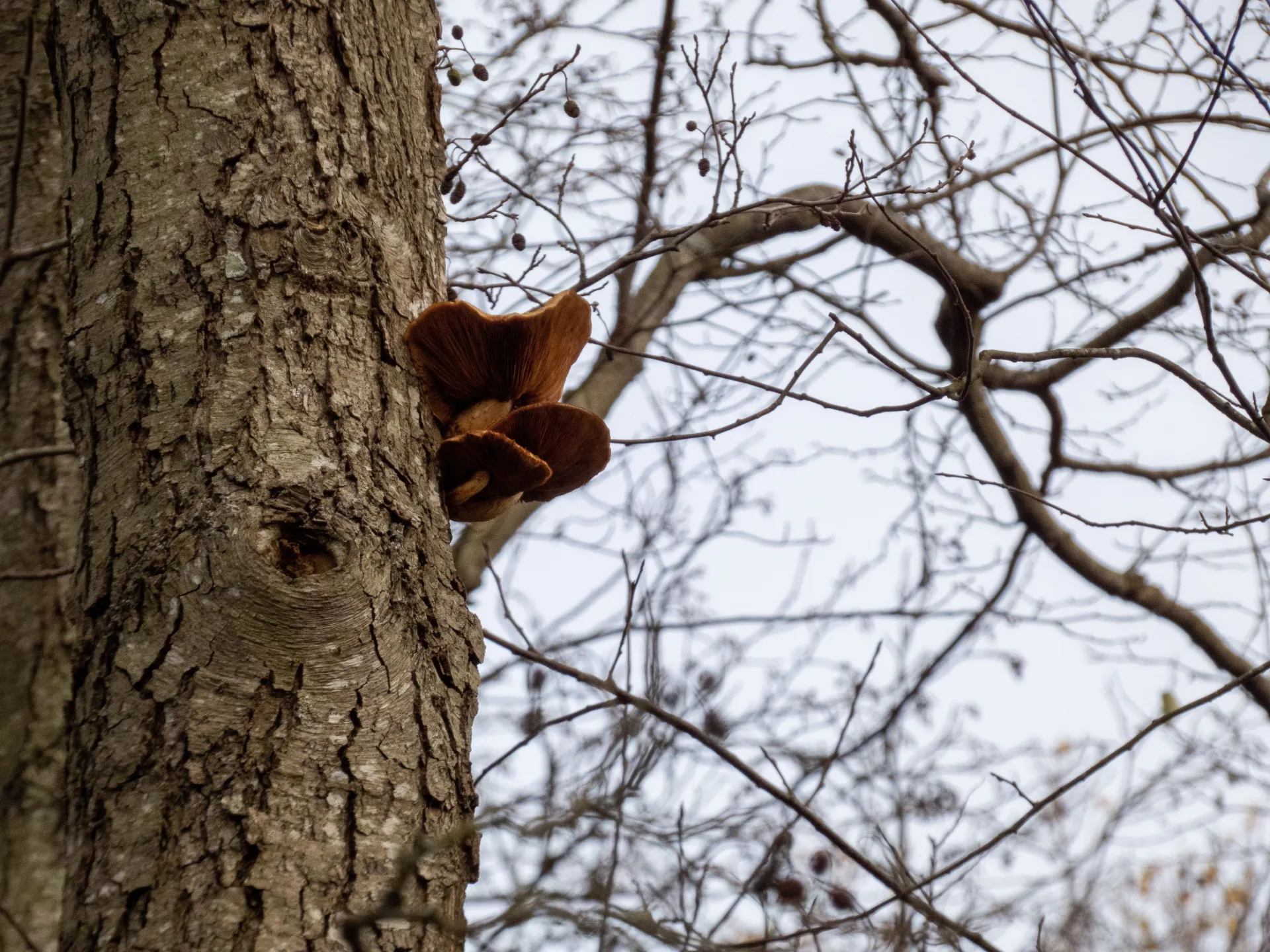
Nothing says spooky season quite like mushrooms growing out of a tree. While they might look like natural Halloween decorations, some fungal growth can indicate decay in the wood or roots.
Certain fungi break down dead wood as part of the natural decomposition process. Others can affect living trees and contribute to decay that compromises structural strength.
The location of the growth matters. Mushrooms growing on a dead stump are very different from fungal structures emerging from the base of a living tree or directly from its trunk.
Not every mushroom indicates a dangerous tree, and some decay can occur without visible fungal growth. However, when fungi appear on a living tree alongside other warning signs, a professional assessment is a smart move.
Avoid removing the mushrooms and assuming the problem is solved. The visible growth may be only one part of a larger issue inside the tree or below ground.
Cracks, Splits, and Leaning Trees
If a tree looks like it’s trying to make a getaway from your yard, it may be time to take a closer look.
Some trees naturally grow at an angle, and a longstanding lean doesn’t necessarily indicate a problem. A sudden change in position, however, can signal root failure or structural instability.
Cracks and splits can also develop where major branches connect to the trunk or where two stems have grown together. These weak points may become more vulnerable during storms or when the tree is carrying a heavy canopy.
Can a Spooky Tree Be Saved?
Time for the non-spooky news: a tree that looks a little frightening doesn’t automatically need to come down.
Depending on the cause and severity of the problem, possible options may include pruning dead or damaged limbs, monitoring the tree, addressing certain site conditions, or removing the tree if it poses an unacceptable risk.
Its species, age, structure, condition, location, and the targets around it all play a role in determining the appropriate next step.
Sometimes, selective pruning can help address specific hazards while preserving the tree. In other situations, extensive decay or serious structural damage may make removal the safer option.
The goal isn’t to remove every tree with a cavity or a dead branch. It’s to understand the risks and make an informed decision that protects people and property whenever possible.
Give Your Trees a Halloween Checkup
This Halloween, go ahead and enjoy the spooky decorations and creepy costumes. Just don’t let a genuinely hazardous tree become the scariest part of your property.
Our team can help you care for your trees and recognize potential hazards before they turn into bigger problems. Visit bergholzstree.com to learn more about our tree services and contact our team.
Have a safe, happy Halloween, and remember: sometimes the scariest things in your yard are the ones worth checking out!