When the temperatures start dropping and the leaves begin piling up, homeowners are usually preoccupied with getting their homes ready for the colder months. But tree care? That often gets pushed to the back burner until spring.
Unfortunately, winter weather doesn’t wait for your spring to-do list.
Between freezing temperatures, heavy snow, ice, and strong winds, South Jersey winters can put even healthy trees to the test. And if a tree is already dealing with dead branches or other underlying problems, those conditions can make matters worse.
Our team at Bergholz’s Tree Experts we know that addressing tree problems before winter arrives can make a big difference in protecting your home, your property, and the trees themselves.
Here’s why some tree care projects shouldn’t be put off until warmer weather.
Dead Branches Don’t Get Stronger Over Winter
That dead branch hanging over your driveway might not seem like an urgent problem right now. After all, it’s been there for months without causing any trouble.
But add a layer of heavy snow or ice, and the situation can change quickly. Dead branches are often more brittle than healthy ones, making them susceptible to breaking during winter storms. Strong winds and the additional weight of ice or snow can increase the likelihood of a branch falling onto your roof, vehicle, fence, or anything else underneath it.
That Leaning Tree Might Be Trying to Tell You Something
There are trees that naturally grow at an angle and remain perfectly stable for decades. However, a tree that has recently started leaning, developed cracks in its trunk, or shows signs of soil lifting around its roots could be experiencing a more serious structural problem.
Winter storms can place additional stress on an already compromised tree, particularly when the ground becomes saturated or strong winds move through the area.
A Dead or Severely Damaged Tree Isn’t Going to Fix Itself
It’s tempting to look at a struggling tree and think, “I’ll see how it looks in the spring.” And there are times when that’s reasonable. Trees naturally enter dormancy during colder months, and the absence of leaves doesn’t necessarily mean a tree is unhealthy.
But if a tree is already dead, severely decayed, or structurally compromised, waiting several more months may not be the safest decision.
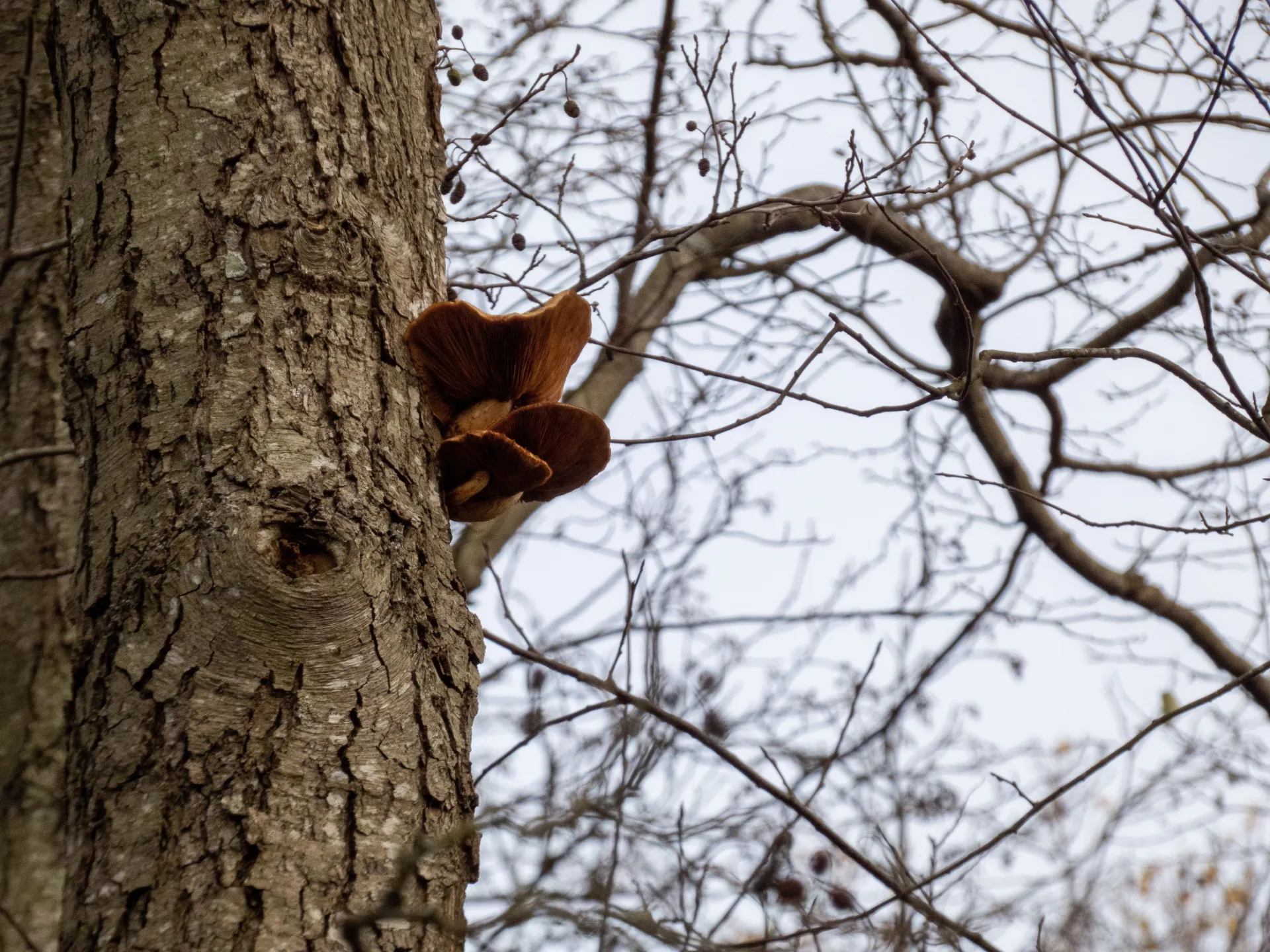
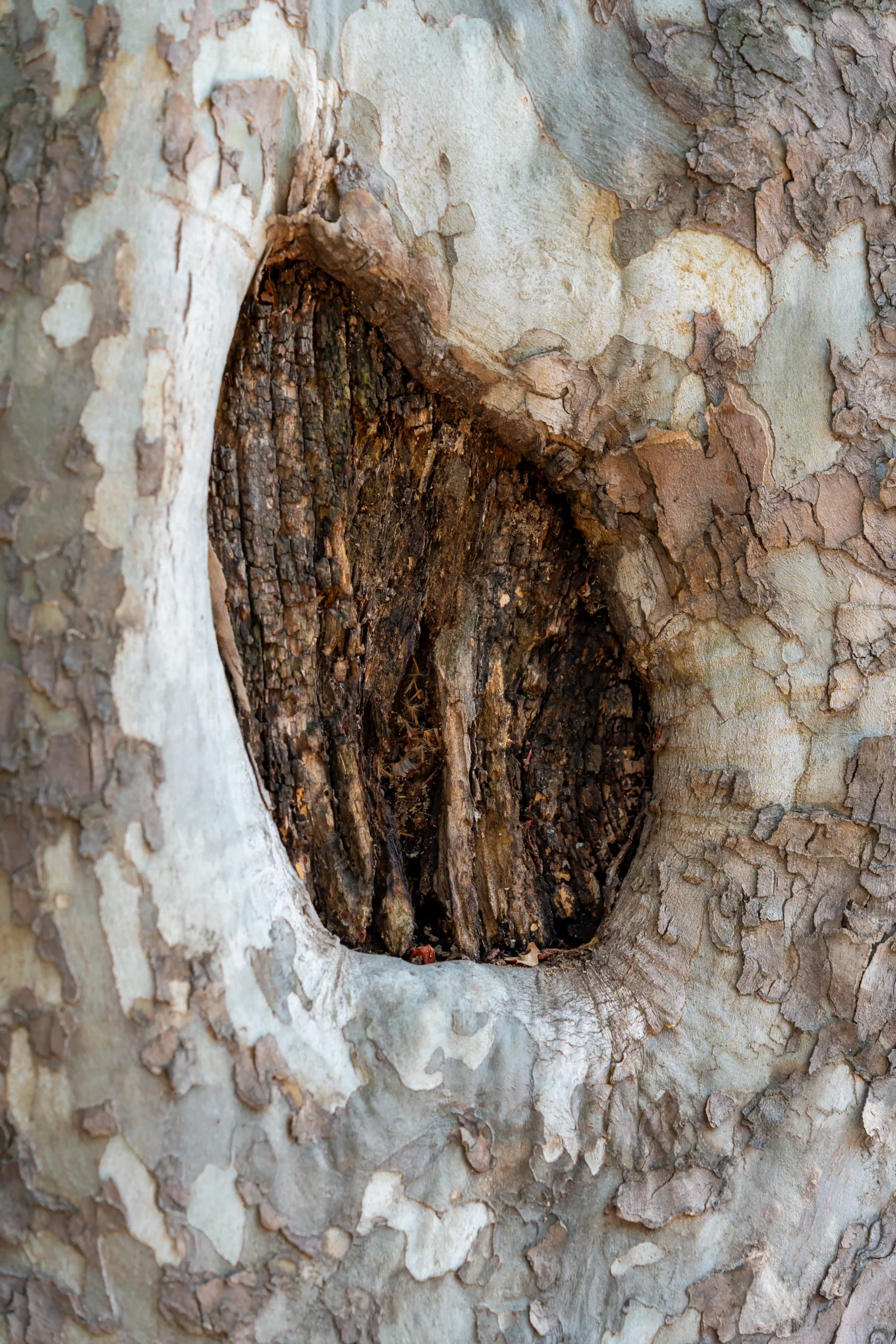
A dead tree can continue to deteriorate, and weakened sections may become more vulnerable to failure during winter storms. Large dead trees near homes, garages, power lines, and frequently used areas deserve particular attention.
Emergency Tree Removal Is the Last Thing You Want During a Winter Storm
Nobody wants to spend a freezing winter morning dealing with a fallen tree, but unfortunately, that’s exactly what can happen when an existing tree problem goes unaddressed.
Storm damaged trees can create complicated situations, particularly when branches become tangled, trunks split, or trees fall against buildings and other structures.
Emergency tree work can also be more difficult because of hazardous conditions, limited access, and the need to work around damaged property.
While not every storm related tree failure is preventable, proactive maintenance can reduce certain risks before severe weather arrives.
Get Your Trees Winter-Ready With Bergholz’s Tree Experts
If you’ve noticed dead branches, leaning trees, or other potential hazards on your South Jersey property, now is a great time to have them evaluated.
Contact Bergholz’s Tree Experts today to discuss your tree care needs and get your property ready for whatever winter brings.